


LED color screen
LED Color Screen: A Comprehensive Overview An LED color screen is a display technology that utilizes light-emitting diodes (LEDs) to produce vibrant, high-quality visuals. These screens are widely used in various applications, including digital billboards, stadium displays, retail signage, stage backdrops, and indoor/outdoor advertising. Their ability to deliver bright, dynamic, and energy-efficient visuals makes them a preferred choice for modern display solutions. Technology and Working Principle LED color screens consist of numerous tiny LED pixels, each containing red (R), green (G), and blue (B) diodes. By adjusting the intensity of these primary colors, the screen can produce millions of hues. The two main types of LED screens are: 1. Surface-Mounted Device (SMD) LEDs – RGB diodes are integrated into a single chip, allowing for higher resolution and better color blending. 2. Dual In-line Package (DIP) LEDs – Each diode is individually mounted, commonly used in large outdoor displays due to their brightness and durability. The screen’s refresh rate, pixel pitch (distance between pixels), and brightness determine its clarity and performance in different lighting conditions. Advantages - High Brightness & Visibility – LED screens remain visible even in direct sunlight, making them ideal for outdoor use. - Energy Efficiency – LEDs consume less power compared to traditional display technologies like LCDs. - Long Lifespan – With proper maintenance, LED screens can last over 100,000 hours. - Flexible Design – Modular panels allow customization in size and shape, fitting curved or irregular surfaces. - Wide Viewing Angles – Viewers can see clear images from various angles without color distortion. Applications - Advertising & Digital Signage – Dynamic content attracts attention in shopping malls, airports, and highways. - Sports & Entertainment – Large screens enhance live experiences in stadiums, concerts, and theaters. - Corporate & Education – Used for presentations, video conferencing, and interactive displays. - Public Information Displays – Real-time updates in transportation hubs and city centers. Considerations for Selection When choosing an LED color screen, factors like pixel pitch (for resolution), brightness (measured in nits), refresh rate (for smooth motion), and IP rating (for weather resistance) must be evaluated based on the intended use. Future Trends Advancements in mini-LED and micro-LED technologies promise even higher resolution, better contrast, and thinner screens. Additionally, smart LED displays with AI integration and touch interactivity are expanding their applications. In summary, LED color screens offer a versatile, durable, and visually compelling solution for modern display needs, continuously evolving to meet higher performance demands.
Products
Category:
-
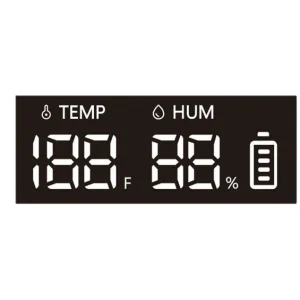
LED digital tube color screen
Category: LED Full-Color DisplaysBrowse number: 10Number:Release time: 2025-11-19 10:25:27The LED Digital Tube Color Screen is an advanced electronic display component designed for industries requiring high-accuracy numeric output, vibrant visual performance, and long-term stability. As a professional manufacturer of LED digital tubes, LED color screens, and single/dual-color LED bars, we integrate innovation, precision, and reliability into every display module.
News
Category:
-
[Company News]Latest Trends in LED Seven-Segment Displays for Consumer Dev...
2025-11-21 10:41:13 -
[Industry News]Why LED Digital Displays Are Ideal for Real-Time Measurement...
2025-11-21 14:19:23
Case
Category:
No search results found!
Video
Category:
No search results found!
Download
Category:
No search results found!
Job
Category:
No search results found!
Featured Products
-
NEWS
LED digital tube color screen
Learn more



 Phone
Phone